
Flange Fit Matters: Comfort, Milk Removal, and Protecting Your Supply

Updated: Sep 15
When pumping feels uncomfortable, many parents assume they are doing something wrong or that pumping is just supposed to hurt. The truth is, pumping should not be painful. One of the biggest reasons pumping becomes frustrating is poor flange fit.
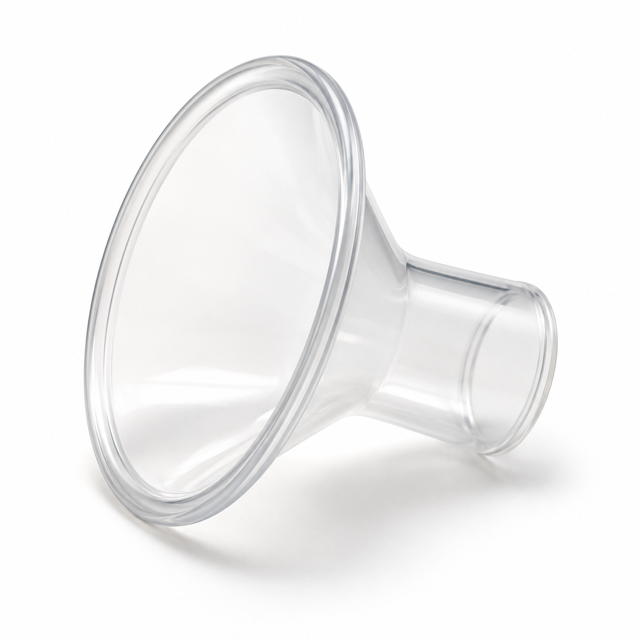
The flange is the breast shield that sits against the breast and allows the nipple to move in and out of the tunnel while milk is removed. When the fit is right, pumping usually feels like a gentle tug, milk begins flowing within the first few minutes, and the breast softens over time.
Start by Measuring the Nipple Tip
Flange sizing starts with measuring only the nipple tip. Do not measure the areola or the whole nipple area. The goal is to get the width of the nipple tip so you can choose the best starting flange size.
Before measuring, it can help to warm the breast, stimulate letdown, and gently firm or evert the nipple. Nipple size can change during pregnancy, after birth, and throughout the pumping journey, so it is okay to recheck sizing over time.
A Good Fit Is More Than a Number
The number on the flange is only a starting point. What matters most is comfort and milk removal.
A flange fits well when:
The nipple glides freely in the tunnel
There is a little space around the nipple
Milk sprays or flows steadily for most of the session
The breast softens during pumping
There is no pain, pinching, or rubbing
Pumping feels like nothing or a gentle tug
Signs the Flange May Be Too Small
A flange may be too small if the nipple rubs against the sides of the tunnel, pumping feels painful, the nipple looks whitened or blanched, or milk flow is reduced.
When this happens, trying a larger size may help.
Signs the Flange May Be Too Large
A flange may be too large if too much areola is pulled into the tunnel, the nipple hits the back of the tunnel, pumping feels uncomfortable, or milk removal is poor.
When this happens, trying a smaller size may help.
Pump Settings Matter Too
Flange fit is not the only piece. Pump settings also matter.
Cycle means the speed or frequency that the nipple is pulled into the tunnel.
mmHg means suction strength. Higher suction is not always better.
Rhythm is the pattern of vacuum movement from suck to release.
The best setting is the combination of cycle, suction, and rhythm that feels comfortable and removes the most milk.
The Sweet Spot
Finding the right flange and pump setting can take a few tries. Small changes can make a big difference in comfort, output, and confidence.
If pumping hurts, if milk output seems low, or if you are unsure about sizing, getting support from a lactation professional can make pumping feel much more manageable.
The right fit protects your nipples, supports milk removal, and helps make pumping something your body can work with instead of fight against.
Julia Powers, CD, PCD (DONA), CLS, CPST


Comments